By Nicola Johnson — Founder, pH Clinic | Advanced Colonic Hydrotherapist
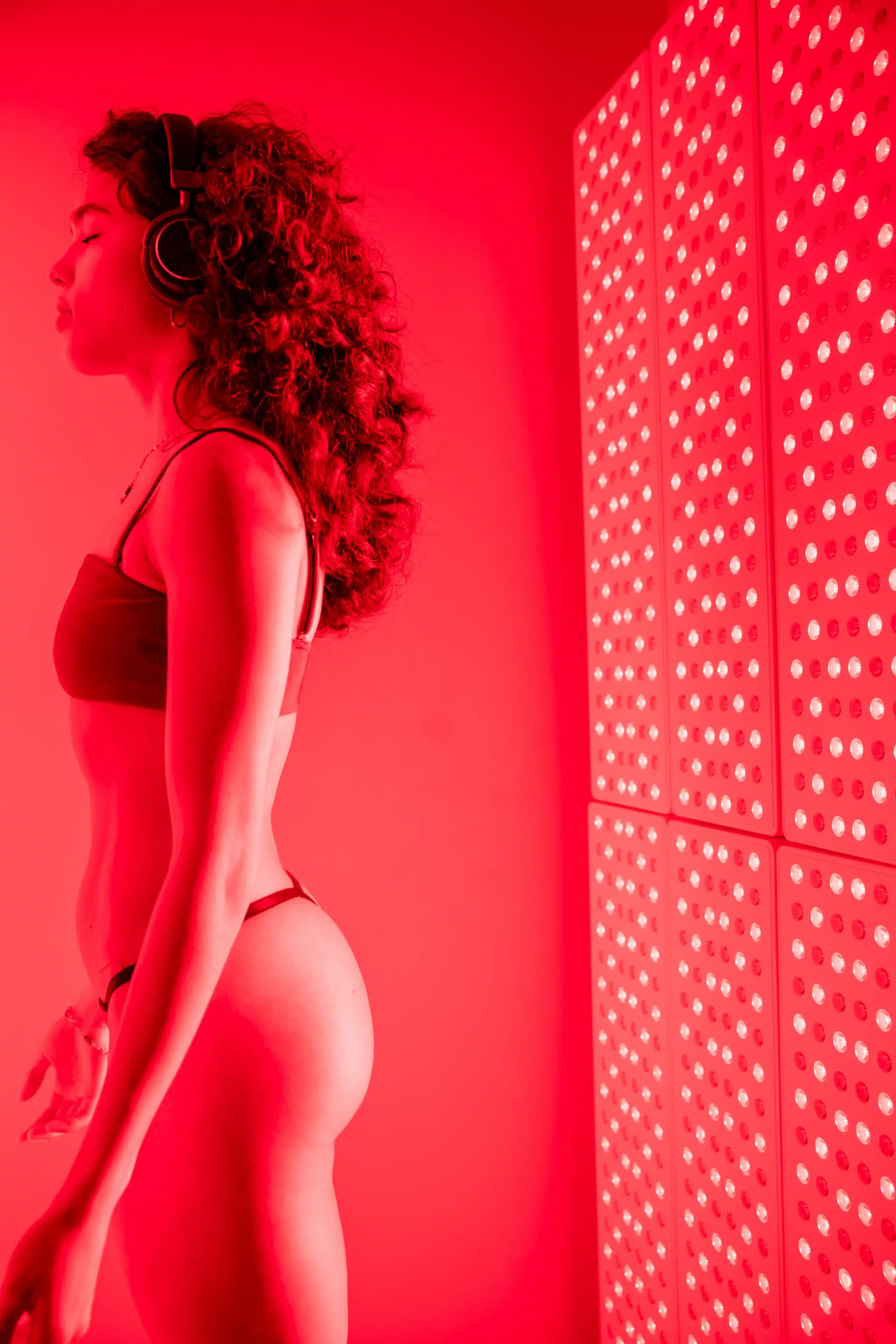
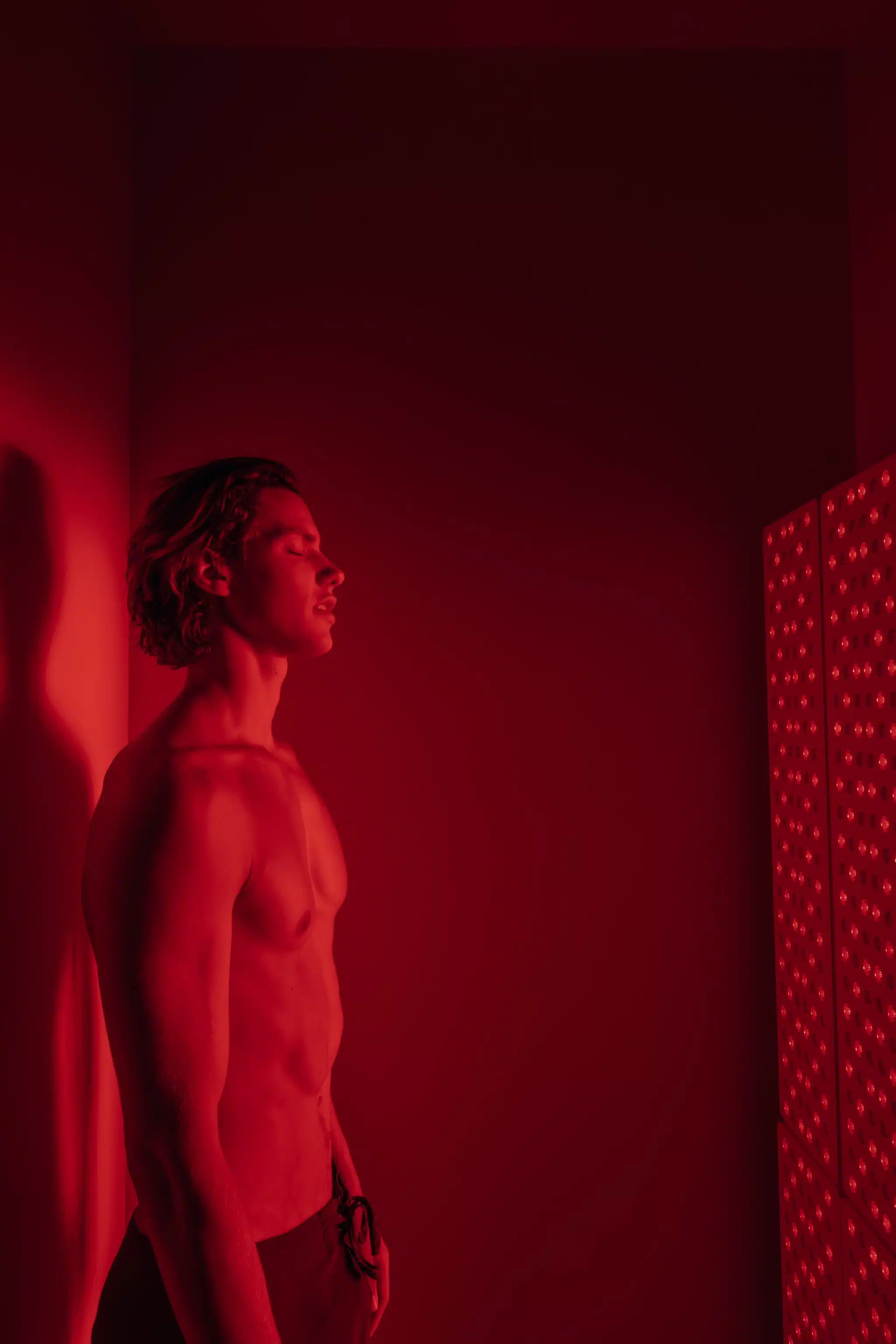
Of all the therapies we offer at pH Clinic, red light therapy is the one that surprises people most. It doesn’t feel like much when you’re doing it. You stand in front of a panel of warm, red-toned light. You feel a gentle warmth. Twenty minutes passes. You leave. And then, over the days that follow, things start to change. Skin that looked dull starts to glow. A knee that’s been aching for months becomes less insistent. Sleep deepens. Energy levels even out. The under-eye hollows soften. The shoulder that’s carried tension for years finally starts to release. The clients who discover red light therapy tend to quietly make it a fixture in their routine — not with fanfare, but with the quiet conviction of someone who has found something that works.
I wanted to write this post to explain why. Because the science behind red light therapy is genuinely remarkable — and most people are making decisions about whether to try it with almost no understanding of the mechanism.
What Red Light Therapy Actually Is
Red light therapy — also called photobiomodulation (PBM) or low-level laser therapy (LLLT) — uses specific wavelengths of red and near-infrared light (630–850nm) to stimulate biological processes within the body.
The wavelengths used therapeutically fall primarily in two ranges. Red light at 630–700nm is absorbed primarily in the superficial layers of tissue — skin, surface capillaries, epidermis and dermis — and is most effective for skin health, wound healing, and surface-level inflammation. Near-infrared light at 700–1100nm penetrates deeper — up to 5–7cm into tissue, reaching muscle, joint, bone, and even brain tissue in some applications — and is most effective for deep tissue repair, joint health, nervous system support, and mitochondrial stimulation.
Our red light panels at pH Clinic deliver both wavelengths, making each session effective across both surface and deep tissue applications. Critically, this is not UV light. There is no tanning effect. There is no DNA damage risk. The wavelengths used in photobiomodulation are the same wavelengths found in natural sunlight and emitted by open fires — light that human biology has been bathing in for hundreds of thousands of years. We are not introducing something foreign. We are restoring something that modern indoor life has removed.
The Mechanism: Why Light Heals
The cellular mechanism of red light therapy was established through decades of research, most notably by Finnish researcher Tiina Karu and expanded significantly by Harvard’s Michael Hamblin — one of the most published researchers in the field. The primary target is cytochrome c oxidase — an enzyme in the mitochondrial electron transport chain. Cytochrome c oxidase acts as a photoreceptor: it absorbs red and near-infrared light and uses that energy to drive the production of ATP.
When cytochrome c oxidase absorbs light, several things happen in sequence. ATP production increases, meaning more cellular energy is available for every function your body needs to perform — repair, regeneration, immune response, neurotransmitter synthesis, collagen production. Nitric oxide is released, causing vasodilation — the widening of blood vessels — which increases blood flow and oxygen delivery to tissue, accelerating healing and reducing inflammation. Reactive oxygen species (ROS) are temporarily and mildly elevated, which sounds counterintuitive, but a mild transient elevation in ROS following red light exposure acts as a hormetic signal, triggering the upregulation of your body’s own antioxidant defence systems including superoxide dismutase and glutathione — with the net effect being a reduction in chronic oxidative stress. Gene expression changes, as red light therapy has been shown to modulate the expression of genes involved in inflammation, cell survival, and tissue repair. And mitochondrial biogenesis is stimulated via activation of PGC-1α — the master regulator of mitochondrial biogenesis — promoting the creation of new mitochondria and a structural, lasting improvement in cellular energy capacity.
The Research: What Red Light Therapy Treats
The published research on photobiomodulation now spans over 5,000 peer-reviewed studies. This is not fringe science. It is one of the most extensively researched therapeutic modalities in existence.
Skin Health and Anti-Ageing
The skin research on red light therapy is among the most robust in the field. A double-blind, placebo-controlled study published in the Journal of Cosmetic and Laser Therapy (Wunsch and Matuschka, 2014) found that participants receiving twice-weekly red and near-infrared light treatments for 30 sessions showed significant improvements in skin complexion, collagen density, and smoothness compared to the placebo group — with improvements confirmed by both clinical assessment and skin profilometry.
The mechanism is direct stimulation of fibroblasts — the cells responsible for producing collagen and elastin. As we age, fibroblast activity naturally declines. Red light therapy reverses this decline by giving fibroblasts the cellular energy they need to function optimally.
Clinical evidence supports red light therapy for fine lines and wrinkles, skin texture and tone, acne (via anti-inflammatory and antibacterial mechanisms), rosacea, eczema and psoriasis, post-inflammatory hyperpigmentation, and wound healing and scar reduction.
Inflammation and Pain
The anti-inflammatory evidence for red light therapy is extensive and mechanistically well-understood. Red and near-infrared light reduce the expression of pro-inflammatory cytokines — particularly TNF-α, IL-1β, and IL-6 — the signalling molecules that drive both acute and chronic inflammation. A 2017 meta-analysis published in Lasers in Medical Science examined 22 randomised controlled trials and concluded that photobiomodulation produced significant reductions in inflammatory markers across multiple tissue types.
For joint conditions, a systematic review in Photomedicine and Laser Surgery found that red light therapy produced significant reductions in pain and functional improvement in patients with knee osteoarthritis — with effect sizes comparable to pharmaceutical anti-inflammatory treatment and without side effects. For tendinopathies — Achilles tendinitis, rotator cuff conditions, lateral epicondylitis — multiple randomised controlled trials have demonstrated significant benefit from red light therapy, with faster return to function compared to control groups receiving conventional physiotherapy alone.
Neurological Health and Brain Function
Near-infrared light penetrates the skull to a meaningful degree — particularly through the thinner temporal bone — and its effects on brain tissue are an area of significant current research interest. A randomised controlled trial published in Neuropsychology found that transcranial near-infrared light significantly improved reaction time, memory performance, and sustained attention in healthy adults — effects attributed to increased prefrontal cortex blood flow and neuronal ATP production. Research has also demonstrated that red light therapy influences serotonin and dopamine pathways, with documented improvements in depressive symptom scores in clinical populations.
Thyroid Health
This is an application that deserves greater awareness, particularly given the extraordinary prevalence of thyroid dysfunction in women. A Brazilian randomised controlled trial published in Lasers in Surgery and Medicine (Hofling et al., 2010) found that red and near-infrared light therapy applied to the anterior neck in patients with chronic autoimmune thyroiditis (Hashimoto’s disease) produced significant improvements in thyroid function, reduced need for levothyroxine medication, and reduction in thyroid autoantibodies. Notably, 47% of participants in the treatment group were able to discontinue thyroid medication completely, compared to 0% in the control group.
Sleep and Circadian Rhythm
Unlike blue light — which suppresses melatonin and disrupts sleep — red and near-infrared light do not suppress melatonin production and may actually support it. A study in the Journal of Athletic Training found that athletes receiving whole-body red light therapy for 14 nights showed significant improvements in sleep quality and melatonin levels compared to controls. For those experiencing winter sleep disruption, red light therapy in the late afternoon or early evening supports circadian rhythm entrainment without the melatonin suppression associated with artificial white and blue light.
Red Light Therapy at pH Clinic — How We Use It
At pH Clinic, red light therapy is available as a standalone 20-minute session and as an add-on to any other therapy booking. As a standalone, twenty minutes standing or seated comfortably in front of our full-panel red light system is effective for skin, inflammation, mood, energy, and systemic benefit.
Our favourite combination is the cryo class followed immediately by red light therapy — the most powerful mitochondrial protocol we offer. Cold organises cellular water and activates cold shock proteins. Red light then charges the mitochondria that cold has primed. The sequence matters: cold first, light second.
Red light also stacks powerfully with infrared sauna. Infrared sauna heats the body and activates heat shock proteins — red light following a sauna session finds mitochondria that are already activated and receptive, with the photobiomodulation effect amplified as a result.
Following colonic hydrotherapy, red light therapy benefits from an internal environment that is more receptive to cellular repair and energy generation — a clear gut improves nutrient absorption and reduces the systemic inflammatory load that impairs mitochondrial function.
How Often Should You Use Red Light Therapy?
For general wellbeing, energy, and skin maintenance: two to three sessions per week. For active inflammation, pain, or a specific therapeutic goal: three to five sessions per week during the treatment phase, tapering to two to three weekly for maintenance. For mitochondrial optimisation as part of a broader biohacking protocol: two to four sessions per week, preferably stacked with cold therapy.
Consistency matters more than intensity. Twenty minutes two to three times per week produces significantly better outcomes than an occasional session — because mitochondrial biogenesis and collagen synthesis are processes that require repeated signalling to maintain momentum.
A Final Note
Red light therapy is not magic. It is biology. Specifically, it is the biology of giving your cells the wavelengths of light they evolved to receive — wavelengths that modern indoor life has removed from most people’s daily experience. Your mitochondria are photoreceptors. Your skin is a photoreceptor. Your nervous system is influenced by light in ways we are only beginning to fully quantify. Photobiomodulation is not introducing something foreign into your body. It is restoring something natural.
In a world where most people are chronically light-deficient, inflamed, and energetically depleted — twenty minutes of red light therapy two to three times per week is one of the simplest and most evidence-backed interventions available.
Come and try it. Your cells have been waiting.
Single session: $39. Packs and memberships available. Book at phclinic.com.au or call 0420 644 852.
References
Karu TI. (2010). Mitochondrial Signaling in Mammalian Cells Activated by Red and Near-IR Radiation. Photochemistry and Photobiology.
Hamblin MR. (2016). Mechanisms and Applications of the Anti-Inflammatory Effects of Photobiomodulation. AIMS Biophysics.
Wunsch A, Matuschka K. (2014). A Controlled Trial to Determine the Efficacy of Red and Near-Infrared Light Treatment in Patient Satisfaction, Reduction of Fine Lines, Wrinkles, Skin Roughness, and Intradermal Collagen Density Increase. Journal of Cosmetic and Laser Therapy.
Chung H, et al. (2012). The Nuts and Bolts of Low-level Laser (Light) Therapy. Annals of Biomedical Engineering.
Hofling DB, et al. (2010). Low-Level Laser in the Treatment of Patients with Hypothyroidism Induced by Chronic Autoimmune Thyroiditis. Lasers in Medical Science.
Naeser MA, et al. (2014). Significant Improvements in Cognitive Performance Post-Transcranial, Red/Near-Infrared Light-Emitting Diode Treatments in Chronic, Mild Traumatic Brain Injury. Journal of Neurotrauma.
Zhao J, et al. (2012). Red Light and the Sleep Quality and Endurance Performance of Chinese Female Basketball Players. Journal of Athletic Training.
Cotler HB, et al. (2015). The Use of Low Level Laser Therapy (LLLT) for Musculoskeletal Pain. MOJ Orthopedics and Rheumatology.